SpaceX's Starship V3: A Giant Leap for Lunar Missions & Beyond
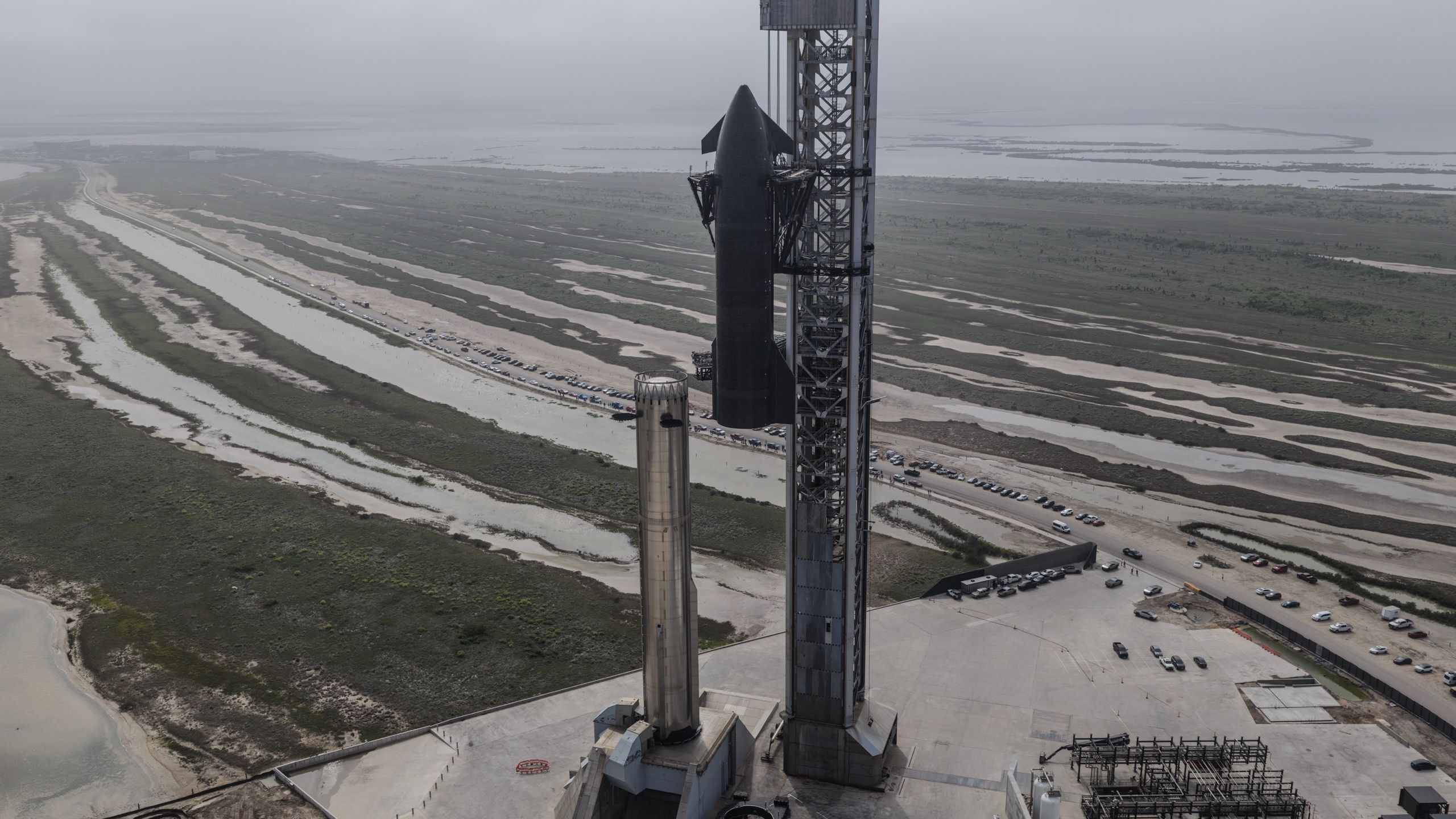
SpaceX is on the cusp of revolutionizing space travel with the debut of Starship V3, the latest iteration of its ambitious deep-space transportation system. The company recently completed a major milestone by stacking the Starship V3 vehicle on the launch pad at Starbase, Texas, and conducting crucial fueling tests. This represents a pivotal moment, not only for SpaceX but also for the future of space exploration, particularly for NASA's Artemis program and missions beyond Earth's orbit. This article dives deep into the advancements of Starship V3, its implications for lunar missions, and what the future holds for this groundbreaking spacecraft.
A New Era of Spaceflight: Starship V3 Unveiled
Starship V3 signifies a significant evolution from its predecessors, V1 and V2. The vehicle incorporates numerous design and engineering refinements aimed at enhancing performance, reliability, and reusability. The primary goal is to mature Starship for operational missions, including the critical capability of in-space refueling, which is essential for journeys far beyond low Earth orbit (LEO).
The recent stacking of Starship V3 and the successful completion of fueling tests are critical steps toward its debut flight. While the exact date of the launch is eagerly anticipated, these milestones demonstrate SpaceX's commitment to pushing the boundaries of space technology. The inaugural flight, anticipated to be a suborbital launch, will provide invaluable data and insights into the vehicle's performance. The plan is to have soft landing splashdowns in the Gulf of Mexico and Indian Ocean for Ship and Super Heavy, respectively, rather than a return to Starbase for recovery and reuse. However, depending on the outcome of the first V3 test flight, SpaceX could potentially attempt a recovery on the upcoming Flight 13 or 14. This is a testament to SpaceX's iterative approach, where each flight builds upon the lessons learned from previous missions, paving the way for more ambitious endeavors. For a deeper look at the upgrades, check out our article Starship V3: Key Upgrades & What to Expect on the First Flight.
The launch of Starship V3 is more than just a technological feat; it is a strategic move. The development of Starship is intrinsically linked to NASA’s Artemis program, which aims to return humans to the Moon and establish a sustainable lunar presence. Starship is designed to serve as a lunar lander, capable of transporting astronauts and cargo to and from the lunar surface. The success of Starship V3 is therefore critical to the success of Artemis. The ability to refuel Starship in orbit will significantly extend its range and enable it to reach destinations beyond the Moon, such as Mars and potentially even further into our solar system.
Key Upgrades and Design Innovations in Starship V3
Starship V3 boasts a series of key upgrades that differentiate it from its earlier versions. These enhancements are designed to improve both the vehicle's performance and its ability to withstand the rigors of space travel.
- Structural and Propulsion Redesigns: The V3 architecture features extensive structural and propulsion redesigns aimed at reducing dry mass and increasing orbital payload capacity. This will contribute to greater efficiency and enable Starship to carry heavier payloads further into space.
- Vehicle Dimensions: The full stack stands approximately 1.5 meters (5 feet) taller than Version 2, reaching a total height of approximately 124 meters. This slight increase in height is a testament to the refinements made to the vehicle’s design.
- Super Heavy Booster Refinements: The Super Heavy V3 booster has reduced its grid fin count from four to three. Each fin is 50 percent larger and significantly stronger to better support “catch” operations at the launch tower. The booster's grid fins will play a crucial role in enabling a controlled landing and reusability.
- Propulsion Integration: Both stages now utilize the Raptor 3 engines. These engines, with their advanced design and increased thrust, will provide the necessary power for Starship's ambitious missions.
These advancements demonstrate SpaceX's commitment to continuous improvement and its focus on creating a highly capable and reusable space transportation system. The move from four to three grid fins on the Super Heavy booster, while seemingly minor, represents a significant engineering achievement. Each of these modifications is carefully considered and contributes to the overall success of the Starship program.
The Role of Starship V3 in NASA's Artemis Program
The Artemis program is NASA’s ambitious initiative to return humans to the Moon by the end of the 2020s. Starship plays a pivotal role in this endeavor. SpaceX has been awarded a contract to use Starship as the lunar lander for the Artemis missions. This means that Starship will be responsible for transporting astronauts from lunar orbit to the surface of the Moon and back.
The success of the Artemis program depends heavily on Starship's ability to perform as designed. This includes:
- Lunar Landing Capability: Starship must be able to safely land on the Moon's surface, deploy astronauts and equipment, and then return to lunar orbit.
- In-Space Refueling: The ability to refuel Starship in orbit is crucial for lunar missions. This is because Starship will need to be refueled after launching from Earth and before descending to the Moon. In-space refueling also allows the spacecraft to carry more payload to the lunar surface.
- Reusability: SpaceX's goal is to make Starship fully reusable. This will significantly reduce the cost of space travel and make lunar missions more sustainable.
The development of Starship V3 is a critical step in realizing these goals. The upgrades and improvements incorporated into V3 will enhance the spacecraft's reliability, performance, and reusability, ultimately contributing to the success of the Artemis program. To learn more about the launch, read our article: SpaceX Stacks Starship V3, Prepares for Debut Launch & Artemis.
Beyond the Moon: Starship V3 and the Future of Space Exploration
While Starship V3's immediate focus is on lunar missions, its capabilities extend far beyond the Moon. SpaceX envisions Starship as a versatile spacecraft capable of transporting humans and cargo to various destinations within our solar system.
- Mars Colonization: SpaceX's long-term goal is to establish a permanent human presence on Mars. Starship is designed to be the primary vehicle for transporting people and resources to the red planet. Its large payload capacity, in-space refueling capabilities, and reusability will make this ambitious goal achievable.
- Deep Space Missions: Starship's ability to travel beyond Earth's orbit opens up possibilities for deep space missions to asteroids, other planets, and potentially even interstellar travel.
- Space Tourism: SpaceX also plans to use Starship for space tourism, offering passengers the opportunity to experience the thrill of space travel. The spacecraft's large interior can accommodate a significant number of passengers, making space tourism more accessible.
The success of Starship V3 is a critical milestone in realizing these ambitious goals. The advancements incorporated into this iteration are setting the stage for a new era of space exploration, where humans can venture further into the cosmos than ever before.
Conclusion: A New Era Dawns
SpaceX's Starship V3 represents a giant leap forward in space technology. The vehicle's advancements, combined with SpaceX's commitment to innovation and reusability, have the potential to revolutionize space travel. With its critical role in NASA's Artemis program and its potential for missions beyond the Moon, Starship V3 is poised to usher in a new era of exploration and discovery. As SpaceX continues to refine and improve Starship, the future of space travel looks brighter than ever. The successful launch of Starship V3 will be a defining moment in the history of space exploration, opening up new frontiers and inspiring future generations of scientists and engineers.