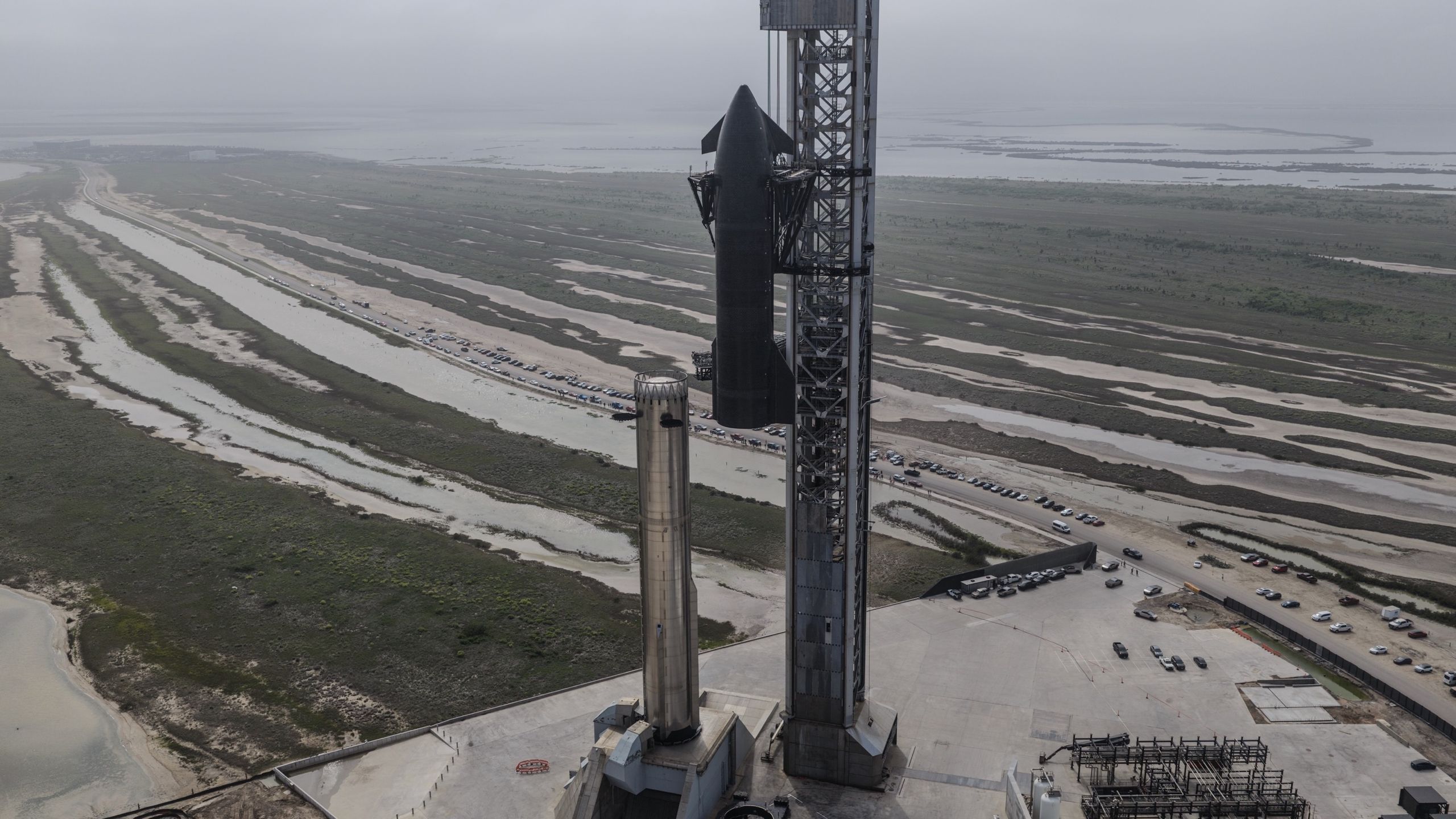
SpaceX Stacks Starship V3, Prepares for Debut Launch & Artemis
SpaceX is on the cusp of a new era in space exploration. The company recently stacked its latest iteration of the Starship rocket, V3, at its Starbase facility in Texas, signaling a major step toward its debut flight. This monumental event, coupled with the completion of a significant fueling test, demonstrates SpaceX's unwavering commitment to pushing the boundaries of space travel, and paves the way for the future of lunar missions and beyond.
The Dawn of Starship V3: A New Chapter Begins
The stacking of Starship V3 marks a significant milestone in SpaceX’s ambitious journey. This isn't just another rocket; it’s a fully integrated launch system designed to be entirely reusable, a feat that, if achieved, will revolutionize access to space. The V3 variant boasts substantial upgrades over its predecessors, the V1 and V2 prototypes. These improvements are crucial for the vehicle's operational capabilities, particularly in the context of NASA's Artemis program, which aims to return humans to the Moon and establish a sustainable lunar presence.
The debut flight of Starship V3 will be a suborbital launch, a critical test to gather data and validate the numerous enhancements incorporated into the design. Unlike previous flights that aimed for a return to Starbase, this mission will see the Ship and Super Heavy booster performing soft landing splashdowns in the Gulf of Mexico and Indian Ocean, respectively. While not the ultimate goal of full reusability, this approach allows SpaceX to gather crucial data on the performance of the upgraded systems. Full reusability will be the ultimate goal, and SpaceX has been developing the necessary technology. The launch tower at Starbase is equipped with "chopstick" arms designed to catch the Super Heavy booster mid-air. SpaceX has successfully recovered Super Heavies using the launch tower's "chopstick" arms to catch the booster in midair, but has not yet attempted a catch of the Ship upper stage. Depending on the outcome of this first V3 test flight, SpaceX could potentially attempt such a recovery on the upcoming Flight 13 or 14.
Key Upgrades and Design Improvements in Starship V3
The transition to Starship V3 signifies more than just a new version number; it represents a significant leap in engineering and design. The V3 architecture features extensive structural and propulsion redesigns aimed at reducing dry mass and increasing orbital payload capacity.
- Vehicle Dimensions: The full stack, comprising the Super Heavy booster and the Starship upper stage, stands approximately 1.5 meters (5 feet) taller than Version 2, reaching a total height of roughly 124 meters. This increase in size allows for greater propellant capacity, enhancing the rocket's ability to reach higher orbits and carry heavier payloads.
- Booster Refinements: The Super Heavy V3 booster has undergone notable changes, including a reduction in the number of grid fins from four to three. Each fin is now 50 percent larger and significantly stronger, designed to withstand the stresses of "catch" operations by the launch tower. This upgrade is crucial for SpaceX's ambitious goal of fully recovering and reusing the booster stage.
- Propulsion Integration: Both the Super Heavy booster and the Starship upper stage now utilize the Raptor 3 engines. These engines, a further development of the Raptor design, offer increased thrust and efficiency, contributing to the overall performance of the rocket.
For a deeper dive into these improvements, check out this article: Starship V3: Key Upgrades & What to Expect on the First Flight.
The Role of Starship V3 in the Artemis Program
SpaceX's Starship is a cornerstone of NASA's Artemis program, which envisions establishing a sustained human presence on the Moon. Starship's massive payload capacity and in-space refueling capabilities are vital for transporting astronauts, equipment, and resources to the lunar surface. The successful development and deployment of Starship V3 are therefore of paramount importance for the program's success.
The docking ports on Starship V3 are designed for in-space refueling, which is critical for missions beyond low Earth orbit (LEO). This capability will allow Starship to refuel in orbit, extending its range and enabling it to travel to the Moon, Mars, and beyond. This refueling capability is essential for the Artemis program, as it will allow Starship to transport astronauts and equipment to the lunar surface.
Propellant Transfer and Lunar Landing Capabilities
The V3's design incorporates key features specifically for lunar missions. The vehicle is designed to land on the Moon, and return to Earth, and can transport a significant amount of cargo. The successful development of Starship's propellant transfer and lunar landing capabilities is a critical step for NASA's Artemis program, and is essential for establishing a sustainable lunar presence.
What's Next for Starship V3: Launch and Beyond
The upcoming debut flight is a crucial test for Starship V3. The data gathered from this flight will be invaluable in refining the design and optimizing the performance of the rocket. SpaceX is likely to make adjustments based on the results of the initial test flights.
SpaceX is aiming for rapid iteration, learning from each flight and incorporating improvements as quickly as possible. This iterative approach is a hallmark of SpaceX's development process, and it has been instrumental in the company's success. The company is already planning for future versions of Starship, with each iteration expected to bring further improvements and advancements.
For an in-depth look at how Starship V3 will impact lunar missions and future space exploration, explore this article: SpaceX's Starship V3: A Giant Leap for Lunar Missions & Beyond.
Conclusion: The Future of Space Travel is Now
The stacking of Starship V3 and the successful completion of major fueling tests are significant milestones in the history of space exploration. SpaceX’s unwavering dedication to innovation and its ambitious vision for the future of space travel are becoming increasingly tangible. While challenges remain, the progress made with Starship V3 is a testament to human ingenuity and the relentless pursuit of pushing the boundaries of what is possible. As SpaceX continues to refine and improve Starship, the dream of affordable and accessible space travel is becoming increasingly closer to reality. The coming years promise to be an exciting time for space enthusiasts and the global community alike.